Report Highlights Increase in Fuel Trafficking Between Libya and Sudan
Edited By: Africa Eye
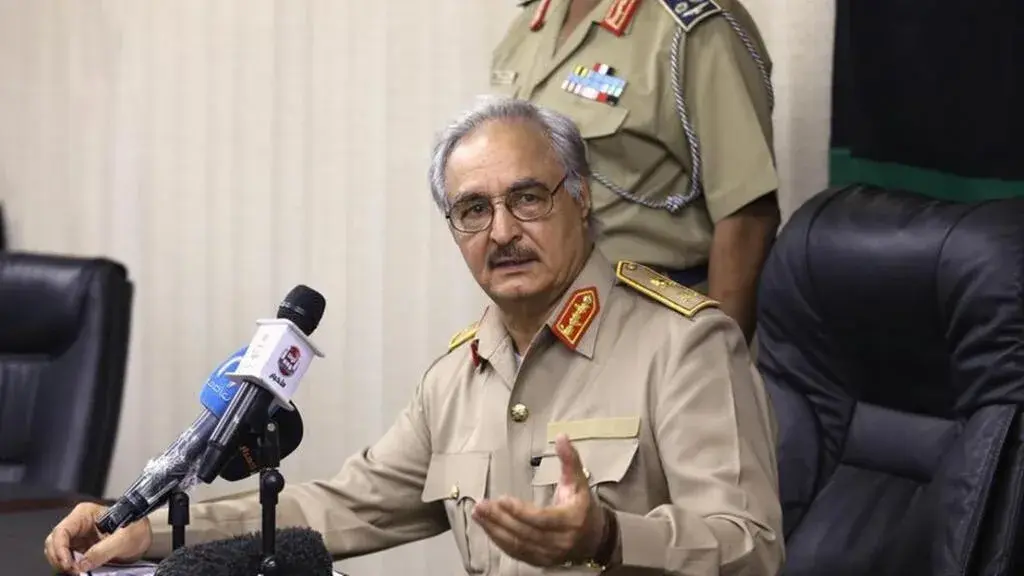
A new report by the U.S.-based NGO The Sentry, published on 13 November, states that fuel trafficking between eastern Libya and Sudan has expanded since the outbreak of the Sudanese conflict in April 2023. Previous reports by UN experts and international organizations had already noted the existence of illicit transfers of gasoline and diesel from areas controlled by Libyan commander Khalifa Haftar to Sudan’s Rapid Support Forces (RSF).
According to The Sentry, fuel originating largely from illicit networks has supported the RSF’s movements and operations in Darfur, which came under full RSF control at the end of October. The report links these activities to what it describes as a longstanding relationship between the Haftar family and the United Arab Emirates, noting that the NGO sought comment from the UAE but did not receive a response.
The report also indicates that fuel deliveries and other forms of assistance to the RSF have contributed to consolidating the Haftar family’s command structure and influence in southeastern Libya, near the Sudanese border.
The RSF’s capture of the border triangle between Libya, Sudan, and Egypt in June 2025 reportedly accelerated these flows. As a result, southern Libya has experienced significant fuel shortages, with residents facing long waiting times at empty stations. Libya maintains state subsidies that keep fuel prices among the lowest in the world.
Open-source images circulating for months show vehicles transporting fuel across the desert route between southern Libya and Darfur, including blue jerrycans and tanker trucks. Some convoys have reportedly been struck by Sudanese air force operations after entering Sudanese territory.
The Sentry states that Haftar-aligned brigades have increased their personnel and equipment to maintain continuous shipments of fuel and other goods across the border. The report highlights key locations such as Kufra airport and the al-Sarir refinery, which it says operate largely in support of these cross-border activities.