Algeria, Iran and Polisario: A Convergence with Regional and Security Implications
Edited By: Africa Eye
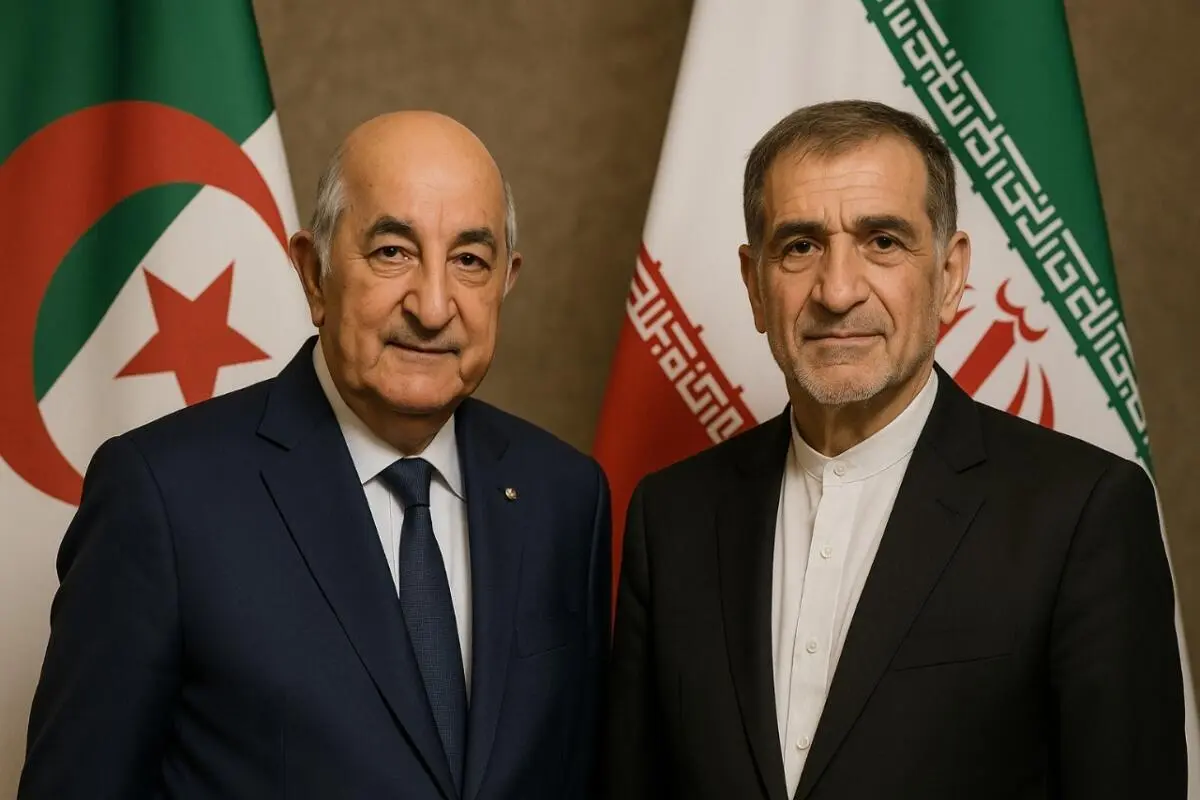
A new report highlights the emergence of an axis linking Algeria, Iran, and the Polisario movement. According to researchers from the Foundation for Defense of Democracies (FDD), this informal alliance combines Algeria’s political and military backing, Tehran’s logistical and technological support, and Hezbollah’s involvement in the training of fighters.
The report argues that this dynamic extends beyond the Moroccan Sahara, contributing to regional instability with consequences for the Sahel, the Mediterranean, and European security.
Washington is urged to reinforce its support for Morocco, notably by accelerating the opening of the long-promised U.S. consulate in Dakhla. The report also recommends considering the designation of the Polisario as a foreign terrorist organization, given its armed activities and alleged links to extremist networks.
The Polisario’s presence in the Tindouf camps under Algerian protection is described by Rabat as a potential source of security threats. Rocket attacks launched from this area in 2024, which targeted a festival near the Moroccan border, are cited as an example of growing instability. Moroccan authorities consider such incidents a direct provocation, underscoring the role of the movement’s regional backers.
Links to Iran and Hezbollah are also underlined. According to the report, Sahrawi combatants have received training in Syria alongside forces allied with Damascus. Morocco had already severed diplomatic ties with Tehran in 2018, accusing it of supplying missiles to the Polisario through the Iranian embassy in Algiers, with Hezbollah acting as an intermediary. In 2022, Moroccan diplomats at the United Nations denounced the alleged delivery of drones.
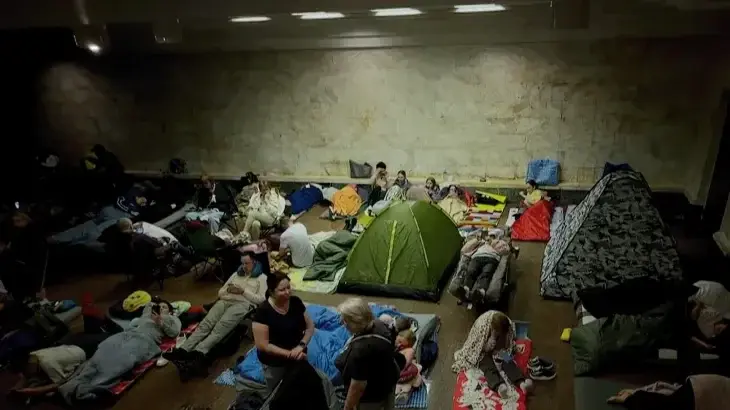
Beyond military concerns, the issue also has a humanitarian dimension. The Tindouf refugee camps have hosted tens of thousands of people for decades under difficult living conditions, with limited access to water, education, and healthcare. Several international NGOs have repeatedly flagged opaque management of humanitarian aid, with allegations of diversion of resources for the Polisario’s military structures.
This situation leaves civilians in a state of chronic dependency, while the protracted conflict and regional rivalries continue to block prospects for a political settlement.
For experts, Algeria’s support for the Polisario goes beyond ideological alignment. It represents a geopolitical lever allowing Algiers to reinforce its long-standing rivalry with Rabat while opening the door to a stronger Iranian presence in North Africa. This convergence of interests heightens destabilization risks in a region already weakened by jihadist insurgencies in the Sahel and tensions in the Eastern Mediterranean.
In this context, the FDD calls on the United States and its allies to deepen their partnership with Morocco, seen as a strategic actor in the region. The opening of the U.S. consulate in Dakhla, announced in 2020 but still pending, is presented as a concrete signal of commitment. The think tank also suggests re-examining the possibility of designating the Polisario as a terrorist organization, in light of its armed activities and connections with extremist networks.
Ultimately, the report warns against a wider contagion of insecurity, with the Moroccan Sahara becoming a focal point of rivalries involving both regional powers and non-state actors.