Morocco’s Caftan: A Step Toward UNESCO Recognition
Edited By: Sekou Kagné
Morocco has formally submitted the caftan, its emblematic traditional garment, for inclusion on UNESCO’s Intangible Cultural Heritage of Humanity list.
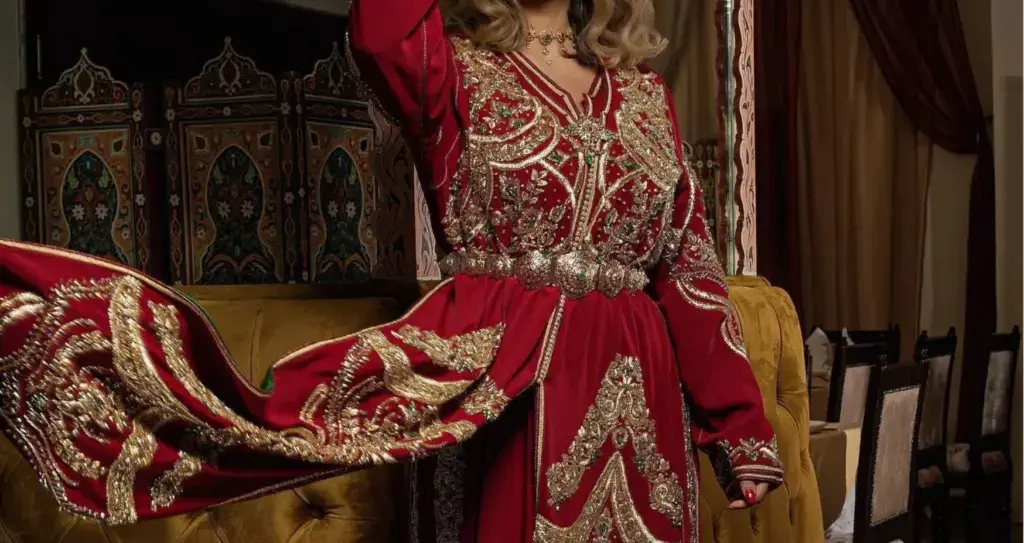
Once designed for men, the caftan has become a global fashion symbol largely through women who proudly wear it. The long tunic, buttoned at the front and sometimes tied with a belt, has inspired major designers such as Dior, Balenciaga, Yves Saint Laurent, and Valentino. Yet at its core, it remains rooted in Moroccan artistry, produced with intricate craftsmanship.
For Moroccan designer Fedila El Gadi, the caftan embodies refinement, heritage, and identity. She has opened a training center in Salé to pass on embroidery and fashion-making skills to underprivileged youth, underscoring her commitment to preserving traditional techniques.
The garment varies by region: Salé, Marrakech, Tetouan, and Fez each contribute unique fabrics and embroidery styles. “The caftan brings together a wide range of expertise. Patterns and techniques differ from one region to another and can be very complex,” explains Hajar El Khawda, Deputy Curator at the Jewelry Museum in Rabat.
From velvet and silk to gold-threaded embroidery, each piece reflects a fusion of artistry, knowledge, and cultural expression. The caftan serves as both a timeless fashion statement and a living link between generations.
As Morocco awaits UNESCO’s decision, the caftan stands as more than attire — it is a national cultural jewel, bridging past and present while showcasing Moroccan identity on the global stage.