UN Security Council Adopts Historic Resolution Supporting Morocco’s Autonomy Plan for the Sahara
Edited By: Widad WAHBI
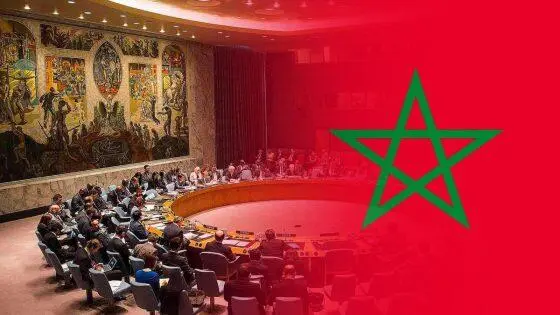
Just moments ago in New York, the United Nations Security Council adopted a historic resolution marking a major turning point in efforts to resolve the long-standing dispute over the Moroccan Sahara.
The resolution, approved by 11 of the Council’s 15 members, including the United States—the penholder—and South Korea, expressed strong support for the UN Secretary-General’s Personal Envoy in advancing negotiations based on Morocco’s Autonomy Initiative.
It called on all parties to engage in discussions in good faith and without preconditions, with the goal of reaching a realistic, lasting, and mutually acceptable political solution in line with the UN Charter.
The Council also decided to extend the mandate of the UN Mission in the Sahara (MINURSO) until October 31, 2026, commending Morocco’s continued efforts and urging member states to support the ongoing political process.
The text emphasized the importance of upholding the cease-fire, avoiding actions that could endanger the talks, and continuing consultations involving Morocco, the Polisario Front, Algeria, and Mauritania under UN auspices.
The adoption of this resolution comes amid a shifting global context, characterized by broader international recognition of Morocco’s sovereignty over its southern provinces and a growing conviction among major powers that the autonomy plan is the most credible and pragmatic solution.
The Council also expressed appreciation to the United States for offering to host the next round of negotiations and voiced concern over the lack of funding for refugees in the Tindouf camps, calling for their registration and census in accordance with international standards.
Observers describe the resolution as a significant diplomatic achievement for Morocco and a reflection of the vision and steady diplomacy of King Mohammed VI, who has long championed a constructive and realistic approach to resolving the conflict.
The decision also underscores the international community’s growing willingness to support a stable and cooperative Maghreb, at a time when the United States is encouraging a potential rapprochement between Rabat and Algiers.