UN urges urgent humanitarian aid for DR Congo amid worsening food crisis
Edited By: Aminata Diallo
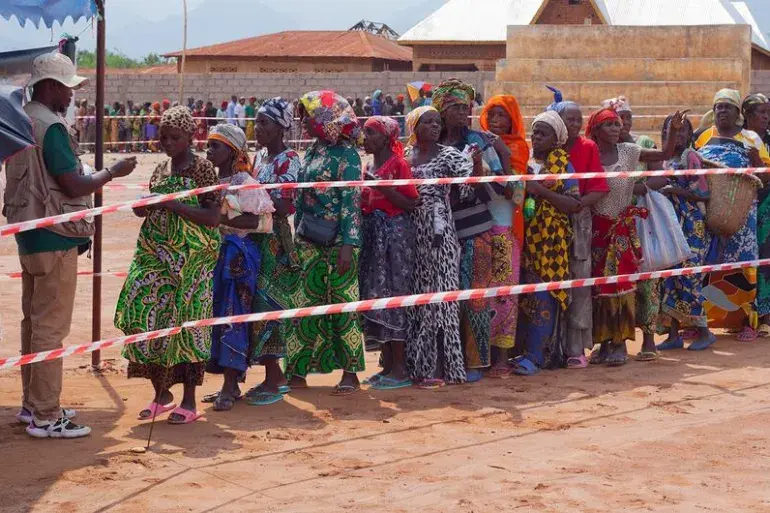
The United Nations World Food Programme (WFP) has warned that tens of thousands of displaced people in South Kivu province in the Democratic Republic of the Congo (DRC) are approaching what it described as “total food desperation,” as renewed violence fuels a rapidly deteriorating humanitarian situation.
The warning comes after fresh clashes earlier this month, triggered by a new offensive by the M23 armed group, which has reignited fighting in the eastern part of the country. The WFP said it is expanding its operations to assist more than 210,000 people displaced by the recent violence, cautioning that food insecurity could escalate quickly without immediate action.
World Food Programme country director in the DRC, Cynthia Jones, said host families are themselves facing emergency levels of food insecurity while sharing their last remaining supplies with displaced neighbours.
“Entire communities are being pushed toward desperation,” Jones said, stressing that both displaced people and host households are struggling to survive.
Since the violence erupted in South Kivu, health facilities have been looted and medicines are no longer available, while schools have been forced to close. The disruption has left communities without access to safe water, healthcare and livelihoods.
According to WFP data, more than 391,000 children are currently out of school. The crisis has also driven many people to flee across borders in search of food and shelter. The agency is providing hot meals to around 71,000 new arrivals in Burundi and about 1,000 refugees in Rwanda.
To support the most vulnerable households, the WFP is distributing so-called “survival kits” that include cereals, pulses, vegetable oil and iodised salt, along with specialised nutrition products for children, pregnant women and breastfeeding mothers.
However, the agency said it urgently needs $67 million to cover three months of emergency assistance for displaced populations, and $350 million to maintain its programmes nationwide.
“Without immediate funding and sustained support, we will not be able to respond to a crisis that is on the brink of a hunger catastrophe,” Jones warned.