ISIS Exploits Roblox and Discord to Target Children Online
Edited By: Sekou Kagné
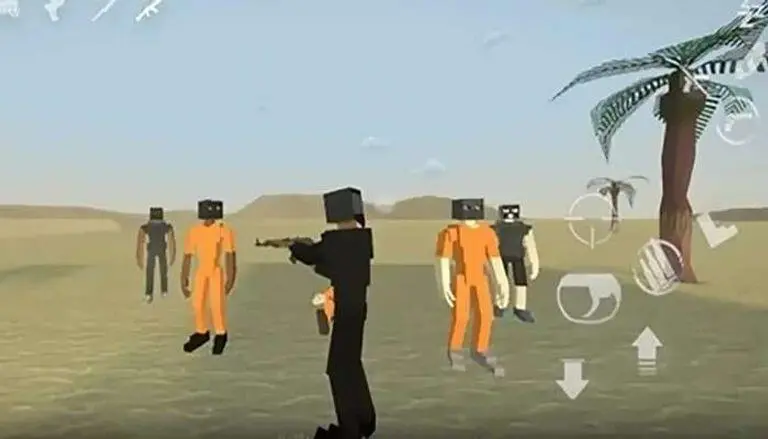
Online gaming platforms once seen as safe spaces for children are increasingly being flagged by security experts as potential recruitment grounds for extremist groups, including ISIS. According to recent intelligence and media reports, platforms such as Roblox and Discord have been used by recruiters to target minors through coordinated propaganda efforts.
While many parents assume their children are simply playing games or chatting with friends, counterterrorism specialists warn that some extremists are exploiting interactive environments and private chat features to build trust with young users before gradually introducing radical narratives. In some documented cases, children as young as 11 have reportedly been exposed to extremist messaging framed around identity, belonging, and heroism.
The shift reflects a broader digital transformation in extremist recruitment strategies. After the territorial defeat of ISIS in Syria in 2019, the group’s operational presence declined, but its online propaganda networks adapted. Experts argue that interactive platforms—especially those popular among teenagers—offer opportunities to create virtual relationships that can later be leveraged for ideological influence.
Professor Alexander Evans of the London School of Economics has noted that video games and online communities play a major role in youth socialization, which can make them attractive spaces for malicious actors. Recruiters often begin by engaging users in harmless conversations before gradually steering discussions toward extremist themes. Analysts describe this approach as similar to targeted digital advertising, using psychological profiling and behavioral tracking to personalize outreach.
Recent cases across Asia and Europe have heightened concerns. Authorities in Indonesia reported the recruitment of over 100 minors in 2025, while teenagers in Indonesia, Malaysia, and Singapore were arrested after allegedly planning attacks following online radicalization. In France, two minors were detained in 2025 on suspicion of plotting attacks after participating in encrypted messaging groups linked to extremist ideology. In Austria, an 18-year-old was arrested after researching bomb-making methods inspired by extremist content.
Security officials also warn that girls are increasingly targeted. Peter Neumann, professor of security studies at King’s College London, has cautioned about the reemergence of narratives similar to the so-called “ISIS brides” phenomenon, in which young women were drawn into extremist networks through romantic manipulation or promises of belonging.
A recent report to the United Nations Security Council highlighted growing ambitions by ISIS and Al-Qaeda affiliates to carry out high-profile attacks and noted a troubling rise in attempts to recruit minors. Monitoring teams estimate that extremist networks linked to Al-Qaeda may involve tens of thousands of potential fighters globally, though not concentrated in one location.
Cybersecurity experts recommend several steps for parents to reduce risks, including monitoring online activity, understanding which platforms children use, encouraging open conversations about digital safety, and applying parental control tools. Specialists emphasize that maintaining trust and communication within families remains the most effective defense against online manipulation.
For their part, Roblox and Discord have stated that they are committed to combating extremist content, improving moderation systems, and cooperating with law enforcement when necessary.