War on Iran Disrupts Aid to Somalia and Cholera Response Across Africa
Edited By: Sekou Kagné
The ongoing war on Iran is worsening the humanitarian crisis in Somalia, particularly for displaced populations, while also disrupting critical cholera response efforts across parts of Africa, according to the UNICEF.
UNICEF reported that life-saving supplies worth $15.7 million—including therapeutic food, vaccines, and mosquito nets—are either in transit or being prepared for delivery to Somalia. However, their arrival has become uncertain due to logistical disruptions linked to the conflict.
During a visit to a displacement camp in southwestern Somalia, UNICEF Executive Director Catherine Russell described the war as a “major shock” to humanitarian operations on the ground. She noted that rising fuel costs and disrupted transport routes are making it increasingly difficult to deliver aid, warning that more children will suffer as a result.
The situation is further aggravated by funding cuts. Over 400 health and nutrition facilities across Somalia have shut down over the past year, largely due to reduced U.S. support, leaving vulnerable communities with limited access to care.
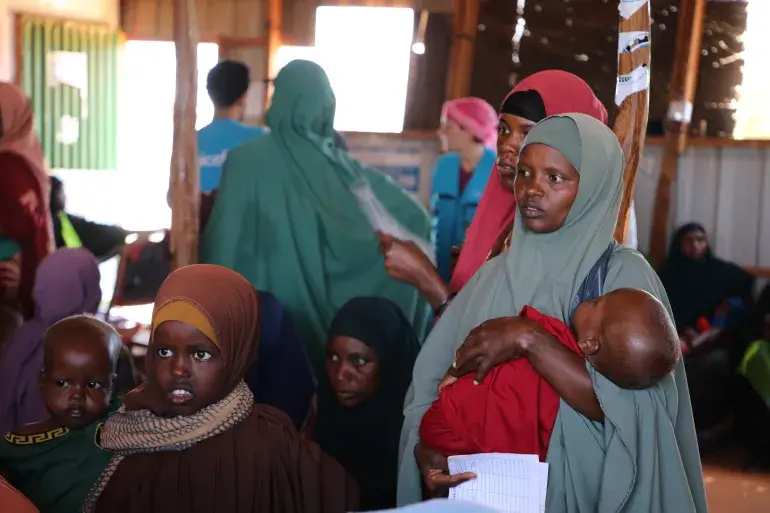
In displacement camps, conditions are rapidly deteriorating. Medical workers report a sharp increase in severe malnutrition cases among children, many arriving in critical condition after fleeing drought-affected regions where crops have failed and livestock has died.
According to recent data, around 6.5 million people in Somalia face acute food insecurity, while an estimated 1.84 million children under five are expected to suffer from severe acute malnutrition in 2026.
Beyond Somalia, the conflict is also disrupting efforts to combat cholera in Africa. Emergency medical supplies intended for several countries—including Chad and Sudan—are currently stranded due to logistical bottlenecks. Aid organizations report that some shipments are stuck in Dubai, forcing agencies to consider costly air transport or alternative sourcing.
Officials from the World Health Organization and the International Federation of Red Cross and Red Crescent Societies warned that delays could severely impact preparedness ahead of the rainy season, when cholera outbreaks typically intensify.
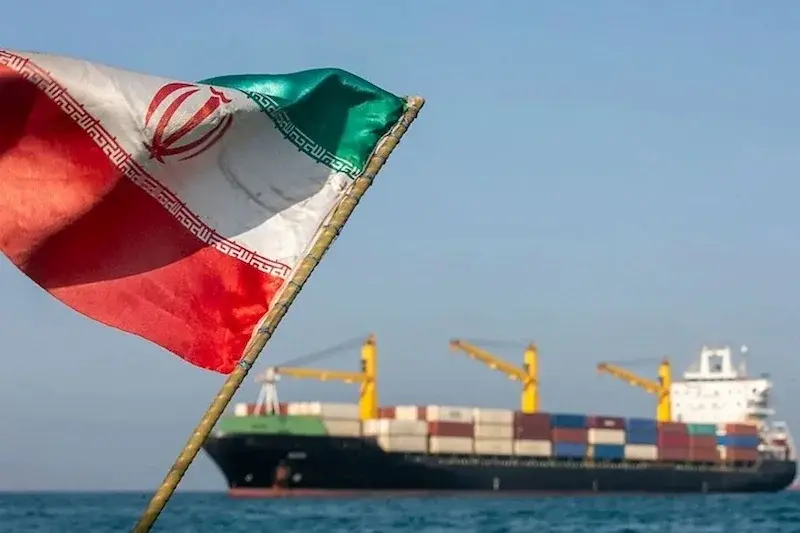
The disruption of supply chains—exacerbated by the closure of key maritime routes such as the Strait of Hormuz—has increased costs and delays, raising fears of a wider public health crisis.
Experts caution that cholera, a fast-spreading disease, requires rapid intervention. Without timely access to medical supplies and treatment infrastructure, outbreaks could escalate quickly, putting thousands of lives at risk across the region.