Trump Signals Pressure on Netanyahu as U.S.-Iran Understanding Reshapes Regional Dynamics
Edited By: Sekou Kagné
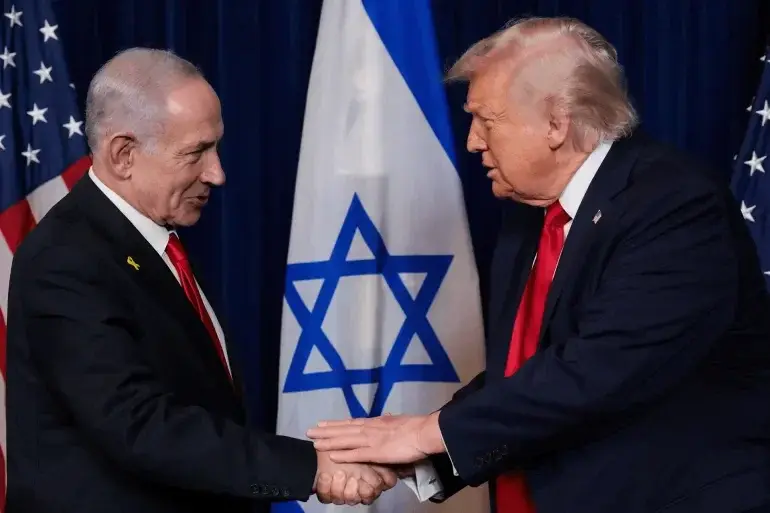
Relations between U.S. President Donald Trump and Israeli Prime Minister Benjamin Netanyahu appear to be entering a sensitive phase ahead of Israel’s upcoming autumn elections, amid growing differences over the management of regional conflicts and the implementation of the recent U.S.-Iran understanding.
The issue gained renewed attention after Trump shared a report published by the American news outlet Just the News, which suggested that the U.S. president holds significant political leverage that could influence Netanyahu’s electoral prospects. The report highlighted increasing debate over the future of American support for the Israeli leader as the election campaign approaches.
According to the report, Trump has hinted that his political backing for Netanyahu is not unconditional. Instead, it may depend on the Israeli government’s conduct and its commitment to ongoing diplomatic agreements. The U.S. president reportedly left open several options regarding his future support, signaling that it would be determined by developments in the coming months.
In an interview with Israel’s public broadcaster Kan, Trump stated: “I need to see who is running. I have a good relationship with Bibi, but he needs to be more reasonable.” While praising Netanyahu’s performance, Trump emphasized the need for greater restraint and warned against unchecked military escalation, particularly in Lebanon.
The report suggests that Trump views adherence to the U.S.-Iran understanding as a key element of regional stability. Washington considers the agreement an important step toward reducing tensions, securing maritime routes, and supporting global economic stability through lower energy prices.
At the same time, Netanyahu faces growing pressure from members of his right-wing coalition, including Bezalel Smotrich and Itamar Ben-Gvir, who have voiced opposition to certain aspects of the current understandings, particularly those related to ceasefires and withdrawals from some conflict zones. Their positions have further complicated Israel’s political and security landscape.
According to Just the News, any attempt to undermine or abandon existing commitments could prompt Trump to reconsider his support and potentially look toward alternative Israeli political figures, such as Naftali Bennett or Gadi Eisenkot, should Netanyahu’s electoral standing weaken or his policies diverge from Washington’s regional objectives.
The report argues that the disagreement between the two leaders extends beyond military tactics and reflects broader strategic differences regarding the future management of regional conflicts. Trump appears to favor rapid solutions that reduce civilian casualties and accelerate de-escalation, while Netanyahu’s government remains constrained by domestic political considerations and coalition dynamics.
As Israel moves closer to a pivotal election, U.S. support remains a critical factor in the political equation. However, according to the report, that support is increasingly tied to careful political and security decisions that could reshape alliances and regional dynamics in the months ahead.