Flu Outbreak Sweeps Through U.S. Military Base, Defense Secretary Faces Criticism
Edited By: Sekou Kagné
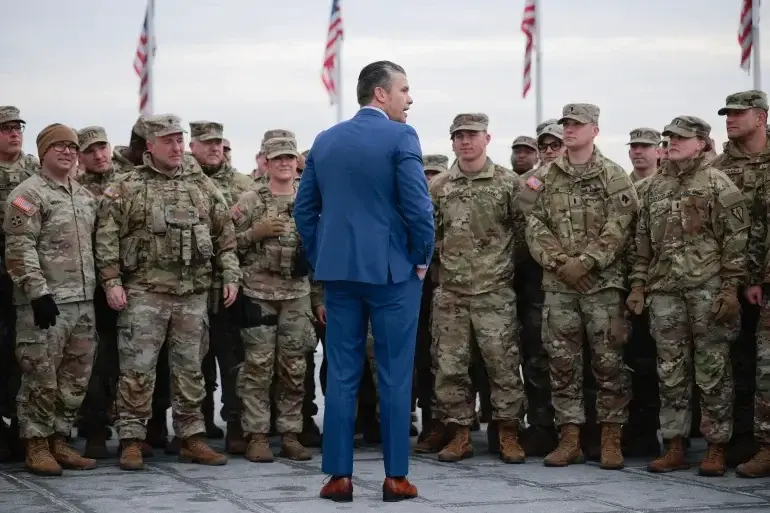
U.S. Defense Secretary Pete Hegseth is facing mounting criticism over what opponents have described as a “reckless” vaccination policy following a flu outbreak that infected 160 soldiers at a military base in Texas.
The outbreak occurred less than two months after a policy introduced by Hegseth on April 21 ended the mandatory influenza vaccination requirement for U.S. military personnel.
In a statement, the U.S. Air Force confirmed that a trainee stationed at Lackland Air Force Base in San Antonio died last Friday after contracting influenza. Authorities said investigations are ongoing to determine whether the death was directly linked to the outbreak.
The developments have sparked sharp reactions from public health experts and media outlets. In an editorial, The Washington Post blamed the situation on what it described as Hegseth’s “reckless vaccine policy,” arguing that the decision had produced the opposite of its intended effect.
The newspaper accused the Defense Secretary of forcing society to relearn “the harsh lessons of history” regarding preventable infectious diseases.
Outbreak in Training Facilities
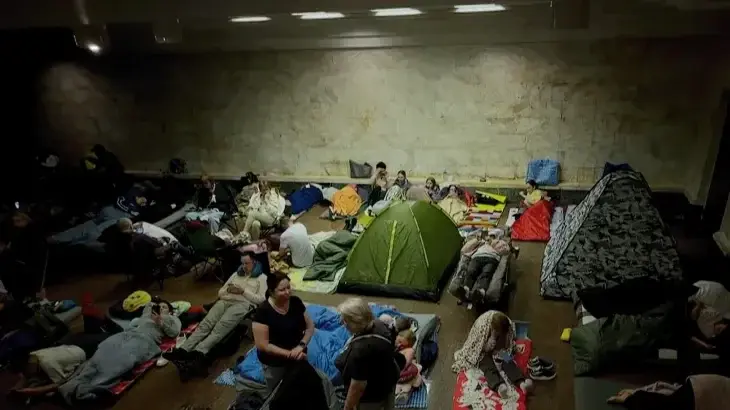
According to The New York Times, the outbreak spread through the Air Force’s basic military training wing at the San Antonio base, where new recruits sleep in open dormitories with bunk beds and share dining facilities.
An Air Force official reported that since the new policy took effect, only about 40 percent of trainees have chosen to receive the flu vaccine, which had long been mandatory.
In response to the outbreak, the Air Force partially reversed course by issuing an exception requiring all recruits at Lackland Air Force Base to receive influenza vaccinations as part of efforts to contain the spread of the virus.
Debate Over Vaccination Policy
Hegseth defended his decision when announcing the policy change in April, framing the issue as one of religious freedom and medical autonomy.
In a video message released at the time, he argued that under former President Joe Biden’s administration, the Department of Defense had imposed excessive restrictions on service members, including limitations on what he called their “medical autonomy” and religious beliefs.
The Defense Secretary described the previous vaccine mandate as an “absurd and overreaching requirement” that, in his view, weakened military readiness.
The outbreak has reignited debate over the balance between individual choice and public health measures within the armed forces, particularly in environments where large numbers of personnel live and train in close quarters.