Iran’s Expanding Influence in North Africa: Tunisia as a Strategic Bridgehead
Edited By: Africa Eye
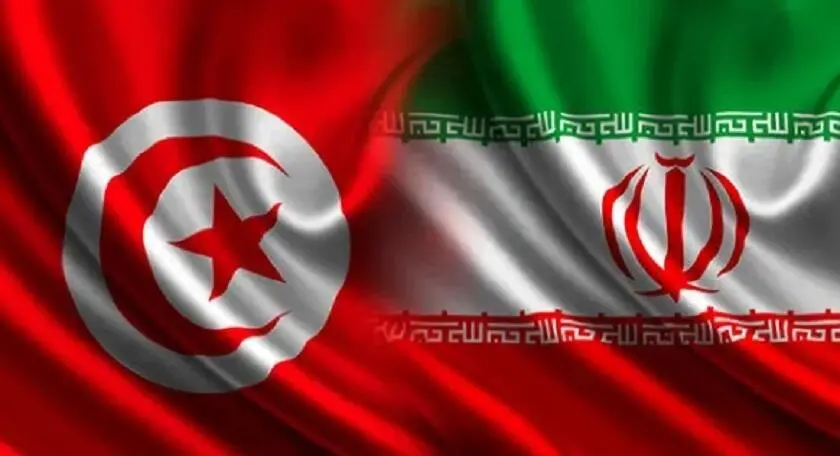
The recent visit of Iranian Foreign Minister Abbas Araghchi to Tunis on September 10 is far more than a ceremonial diplomatic encounter. For many observers, it marks a decisive step in Tehran’s strategy to extend its reach into the Maghreb and, more broadly, across the African continent.
Over the past months, Iran has intensified its regional maneuvering. After strengthening ties with Algeria through the 2024 Gas Exporting Countries Forum, and expanding into Sub-Saharan Africa with energy and military agreements, Tehran now views Tunisia as a privileged anchor point.
President Kaïs Saïed’s reception of Araghchi in Carthage carried heavy symbolism. Just meters away from ships of the “Global Sumud” humanitarian flotilla—allegedly targeted by Israeli drone strikes—the Tunisian and Iranian discourse converged on denouncing the “genocide in Gaza” and “aggressions against regional states.” Analysts argue that Tunisia is gradually adopting Tehran’s ideological rhetoric, aligning itself with Iran’s political agenda in the Maghreb.
Yet behind this rhetoric lies a more alarming reality. Since 2024, Tunisia and Iran have advanced a series of initiatives: visa exemptions for Iranian nationals, the establishment of a joint economic commission, and a direct air link between Tehran and Monastir. Officially framed as economic and cultural cooperation, these initiatives are widely interpreted as gateways for an increased Iranian presence on Tunisian soil, under the cover of tourism and business.
This Tunisian shift reflects a broader Iranian strategy of soft but calculated penetration in Africa. Through religious, economic, and security networks, Iran has been accused of using charities and cultural institutions as ideological channels while leveraging economic deals to expand its sphere of influence. In Côte d’Ivoire, Tehran promoted a “debt-for-development” initiative, while in the Sahel, Iranian diplomacy has become increasingly active. These moves are part of a pattern: extending influence through non-conventional means, consolidating footholds beyond the Middle East.
Western capitals are alarmed. An EU diplomatic note in 2024 already warned of Tunisia’s “visible pivot” towards “strategic competitors of Europe,” explicitly citing Iran. In the United States, Republican Congressman Joe Wilson in February condemned Tunisia’s “ideological alignment with Tehran,” calling it a destabilizing factor for the region.
For Iran, the Maghreb infiltration is crucial. After the weakening of its regional axis following the June 2025 war with Israel, Tehran needs to prove it is not diplomatically isolated. Gaining a foothold in North Africa—particularly in Tunisia—offers Iran a strategic platform to bypass isolation and expand into Africa.
By edging closer to Tehran, Tunisia risks alienating its Western partners. The European Union remains its top investor and trade partner, while the United States is a critical supporter of its military. Behind the narrative of “sovereign foreign policy,” what emerges is the opening of North Africa’s gates to an Iranian expansionist project that could reshape regional balances and destabilize Africa’s northern flank.