DR Congo sees sharp surge in death sentences after lifting moratorium
Edited By: Sekou Kagné
The number of death sentences in Democratic Republic of the Congo has risen dramatically since authorities lifted a long-standing moratorium on executions in 2024, according to a new report released by a human rights organization.
For more than two decades, the country had maintained a de facto suspension of the death penalty, systematically commuting such sentences to life imprisonment. That policy shift has led to a sharp increase in capital convictions.
Courts handed down more than 480 death sentences in 2024 and a further 344 in 2025, compared to just 122 in 2023, according to findings compiled by the French organization Ensemble contre la peine de mort in partnership with several Congolese NGOs.
Although no executions have been officially confirmed so far, the report warns that the surge in death sentences is creating an unprecedented climate of fear among detainees and the wider population.
The findings are based on an 11-month investigation carried out across around twenty prisons and detention facilities by a mission comprising lawyers, civil society representatives, and Congolese lawmakers. The investigation identified at least 950 inmates currently on death row, nearly double the figure recorded in 2019.
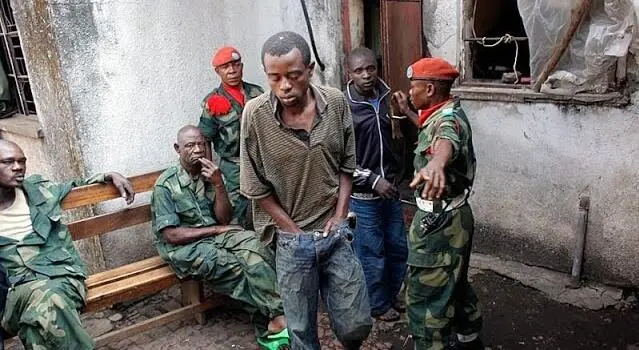
The report highlights dire conditions inside detention facilities, describing overcrowded and deteriorating prisons where inmates face severe shortages of food and healthcare. In some cases, detainees were reportedly unaware that they had even been sentenced to death.
Researchers also raised concerns about due process, noting that death sentences are frequently handed down following summary trials. In many instances, defendants lack proper legal representation, and the right to a fair trial is not consistently upheld.
The report further criticizes the country’s judicial system as opaque and vulnerable to external influence, warning that appeals procedures remain largely inaccessible for those without financial resources, legal assistance, or external support networks.
These findings have renewed concerns among human rights advocates about the use of capital punishment in the country and the broader state of justice and detention conditions.