Trump’s Nile Dam Mediation Proposal Sparks Widespread Online Debate
Edited By: Aya Selene
U.S. President Donald Trump’s proposal to revive mediation between Egypt and Ethiopia over the long-running dispute surrounding the Grand Ethiopian Renaissance Dam has sparked broad debate across social media platforms.
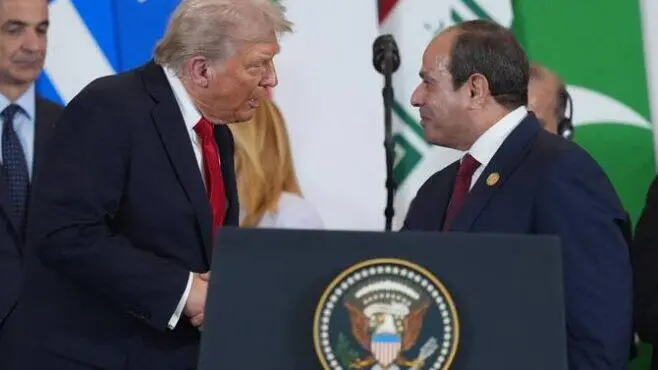
The initiative comes after nearly 15 years of stalled negotiations and months after the dam’s construction was completed in September, amid concerns that the dispute could escalate into a military confrontation. Trump sent a message to Egyptian President Abdel Fattah el-Sisi, expressing Washington’s readiness to re-engage as a mediator on the issue of Nile water sharing.
In his message, Trump acknowledged the strategic importance of the Nile River for Egypt and warned against allowing the disagreement to develop into a major armed conflict. He stressed the need to avoid any single country monopolizing the river’s resources in a way that harms downstream neighbors.
Trump argued that a compromise could be achieved by ensuring predictable water releases during drought periods for Egypt and Sudan, while allowing Ethiopia to generate substantial amounts of electricity from the dam—an approach that closely aligns with Cairo’s long-standing demands.
Egypt welcomed the proposal, with President el-Sisi reaffirming his country’s commitment to cooperation among Nile Basin states based on international law and mutual benefit, without causing harm to any party. Sudanese leader Abdel Fattah al-Burhan also expressed support for renewed mediation efforts.
By contrast, no official response has yet been issued by Ethiopian Prime Minister Abiy Ahmed or other Ethiopian authorities.
At the heart of the dispute, Egypt and Sudan continue to call for a legally binding agreement governing the operation of the dam, which they describe as an existential threat and a violation of international treaties. Ethiopia rejects these claims, viewing the dam as a cornerstone of its economic development agenda, and has proceeded with its operation without a final binding accord, despite repeated objections from downstream countries.