Suicide Bombings Raise Fears of Boko Haram Resurgence in Nigeria
Edited By:Africa Eye
A series of suicide bombings in northeastern Nigeria has raised concerns about a possible resurgence of insurgent activity, particularly linked to Boko Haram.
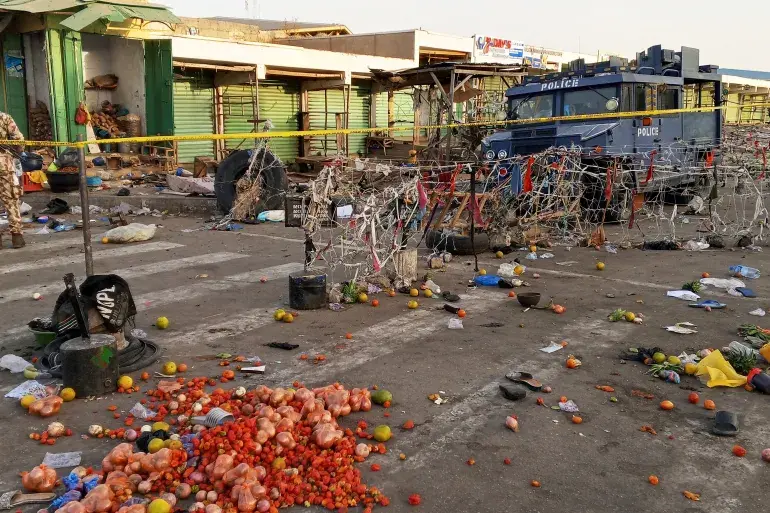
The attacks, which struck the city of Maiduguri—capital of Borno State—mark a significant escalation after several years of relative calm. Once considered a stronghold of Boko Haram, the city had become a symbol of declining militant influence in the region.
According to local authorities, three coordinated explosions in March killed at least 23 people and injured more than 100. The attacks targeted civilian locations, including areas near a teaching hospital, a central market, and a post office. While no group has officially claimed responsibility, the Nigerian military described the incidents as coordinated operations likely carried out by suspected Boko Haram fighters.
The renewed violence has brought attention back to the Lake Chad basin, a region long affected by insurgency and instability. Smaller-scale attacks have continued in rural areas surrounding Maiduguri, prompting warnings from officials about the risk of further escalation.
Analysts link the return of suicide bombings to internal dynamics within militant groups. Since 2016, the insurgency has been divided between Boko Haram and the Islamic State West Africa Province (ISWAP), an affiliate of the so-called Islamic State. The two factions have followed different operational strategies, with ISWAP often adopting a more structured approach, while Boko Haram has been associated with more indiscriminate violence.
Following the death of Boko Haram leader Abubakar Shekau in 2021, ISWAP appeared to consolidate its dominance. However, recent clashes between the factions, particularly in late 2025 around Lake Chad, have shifted the balance, allowing Boko Haram elements to regroup and reassert their presence.
Security experts suggest that the latest attacks may reflect attempts by Boko Haram to demonstrate continued relevance amid competition with ISWAP. Some analysts describe the bombings as tactical moves aimed at regaining visibility, especially in urban centers where the group has struggled to maintain influence.
The situation is further complicated by regional and international factors. The United States has reportedly deployed around 200 personnel to Nigeria in early 2026 to provide training and technical support to local forces. Meanwhile, reports indicate that ISWAP has been incorporating advanced tools, including drones and digital technologies, into its operations.
In this evolving landscape, the conflict in northeastern Nigeria increasingly reflects a multi-sided struggle involving state forces and rival militant factions. Civilians in Maiduguri and surrounding areas remain particularly vulnerable, as shifting strategies and power dynamics continue to shape the security environment.